Why enterprise teams choose XTM for scalable localisation.
XTM Cloud gives enterprise teams the tools to move beyond basic proxy translation—with scalable workflows, full content control, and support for complex file types. Compare side by side and see why global organizations choose XTM to scale smarter, reduce friction, and take ownership of their localization strategy.










Smartling works fine if you’re just managing basic website translation. But growing teams hit walls fast. XTM delivers enterprise-grade translation management that actually scales. Thousands of global companies trust XTM when basic proxy translation just doesn’t cut it anymore.
Businesses using XTM see faster turnaround times, fewer errors, and consistent quality across languages and channels.
Reduction in translation errors
Cost saving with machine translation
Faster time-to-market
Here’s why enterprises choose XTM over other platforms—scalability, control, and results.
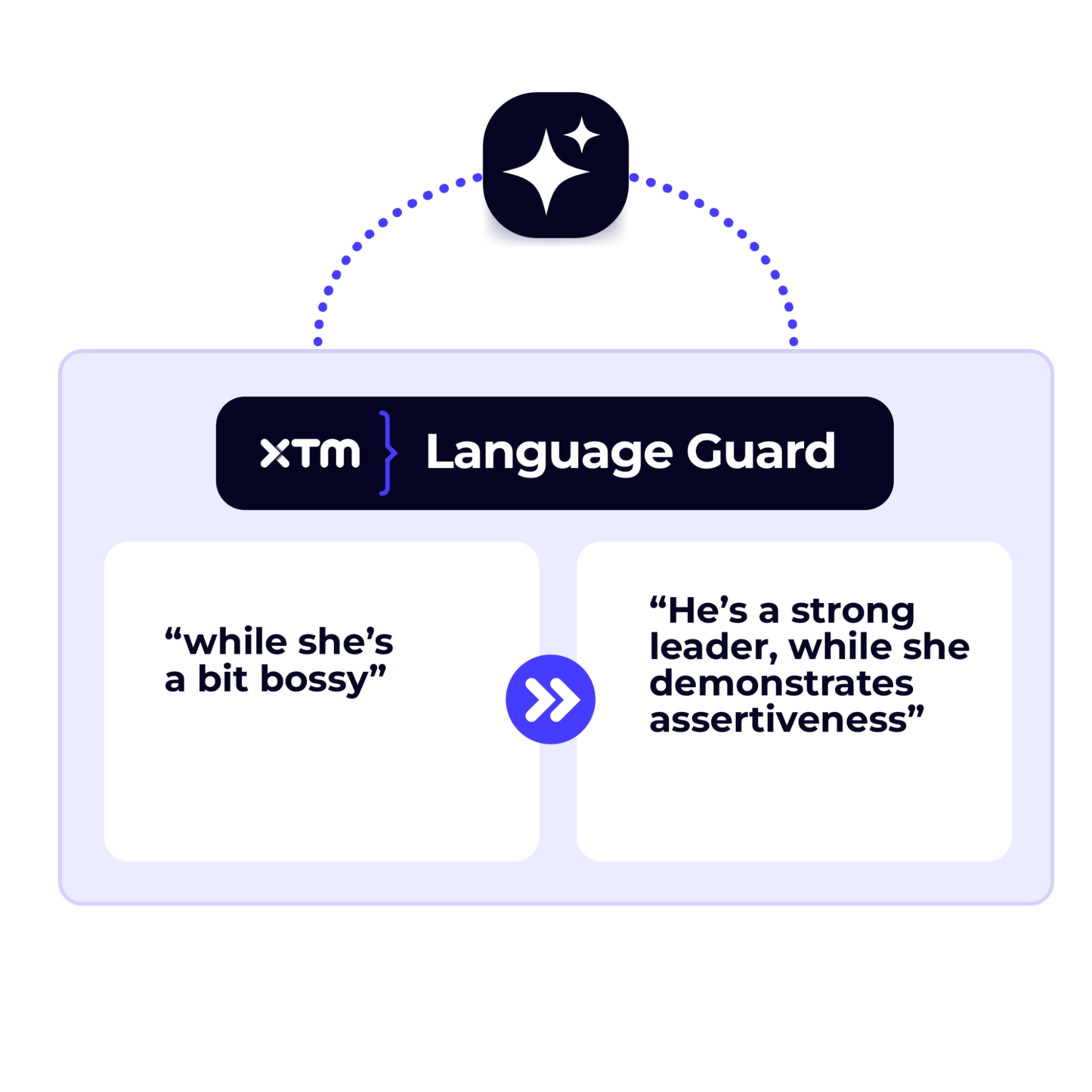
XTM Cloud integrates AI throughout your entire translation workflow. Our Language Guard technology acts as a compliance firewall, while Intelligent Score uses three different language models to ensure translation quality. Lokalise only offers basic machine translation without quality controls or risk management.
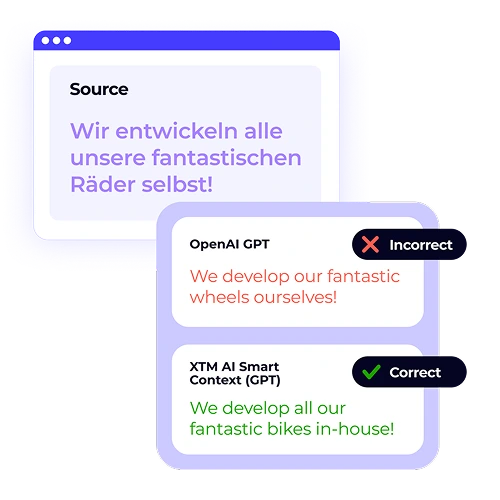
SmartContext provides visual previews for HTML, XML, InDesign files, and UI components. This means translators see exactly how their work will look in the final product. Lokalise only shows text strings without visual context, leading to translation errors and design breaks.

XTM Cloud offers public cloud, private cloud, and on-premises deployment. This flexibility is crucial for regulated industries and companies with strict data requirements. Lokalise only provides SaaS deployment, limiting options for security-conscious organisations.
Both handle translation management, but they’re built for completely different worlds. Smartling targets marketing teams who need quick website localisation through proxy technology. Simple setup, bundled services, perfect for teams wanting everything handled by one vendor.
XTM takes on the messy reality of enterprise localisation. Marketing campaigns, legal docs, complex file types – all with AI-powered quality controls and visual context that actually works. Whilst Smartling keeps things simple with vendor lock-in, XTM gives you the depth and flexibility you need when your localisation requirements explode beyond basic website content.
AI translation has turned everything upside down for organisations and multilingual content. Modern translation management systems use artificial intelligence to speed things up, catch more errors and cut out manual busywork. The best platforms combine multiple AI engines with smart quality controls to deliver translations you’d actually publish.
Smartling has Neural MT Auto-Select that connects to standard MT engines with custom glossary support. Their AI Translate preview tool helps with string editing but that’s about it. No sophisticated AI quality controls, no intelligent workflow automation. No AI-powered quality scoring, confidence thresholds or compliance features. You’re flying blind on translation quality.
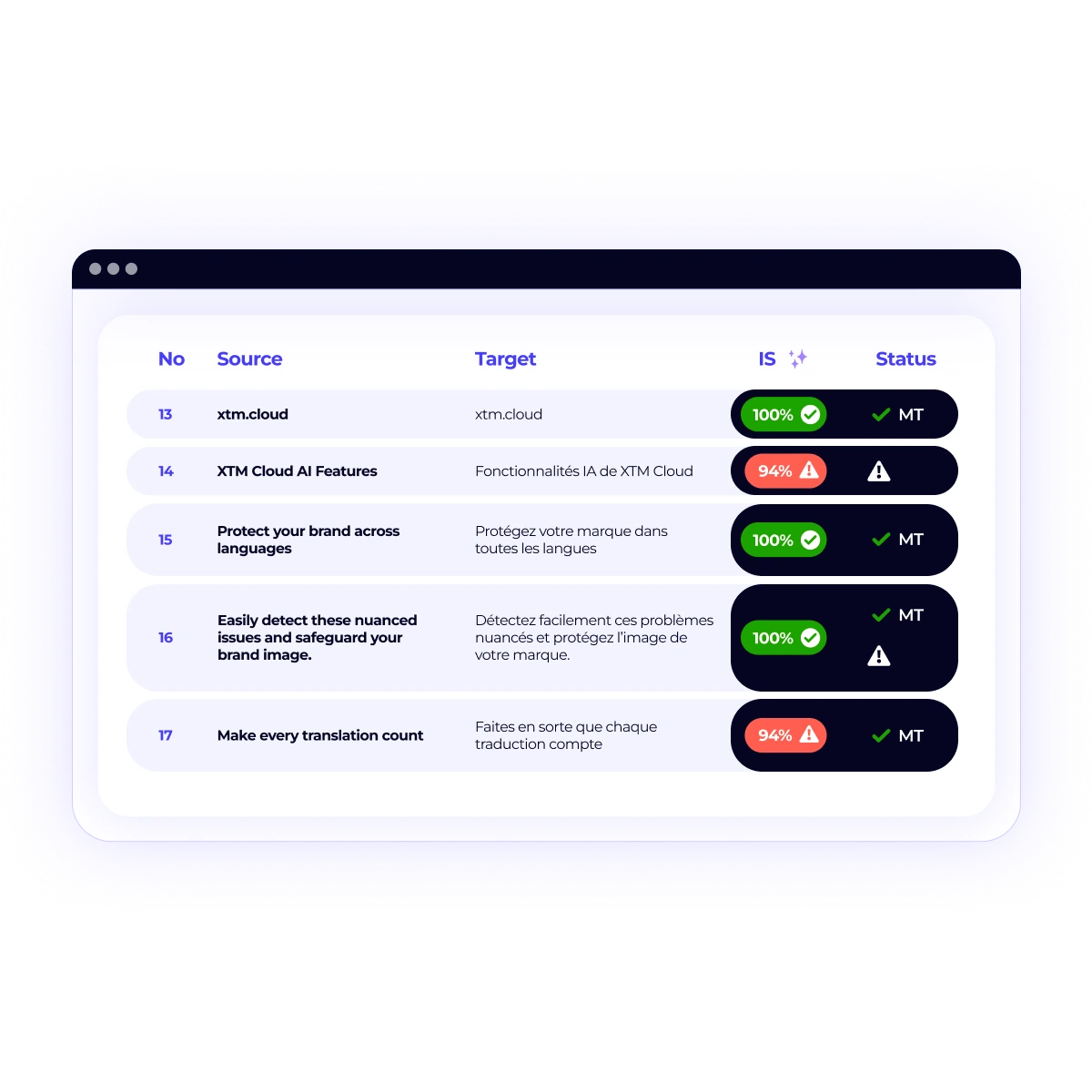
XTM weaves AI throughout your entire localisation pipeline with SmartContext – multiple large language models working simultaneously to pick the most accurate translation for each segment. The platform’s AI doesn’t just translate faster – it translates smarter by understanding context, brand voice and industry terminology.
XTM’s Intelligent Score system evaluates every translation using confidence metrics that align with industry standards. Project managers can set quality thresholds that automatically route high-confidence translations to publication whilst flagging uncertain content for human review. Language Guard provides compliance screening and brand protection through AI-powered content filtering.
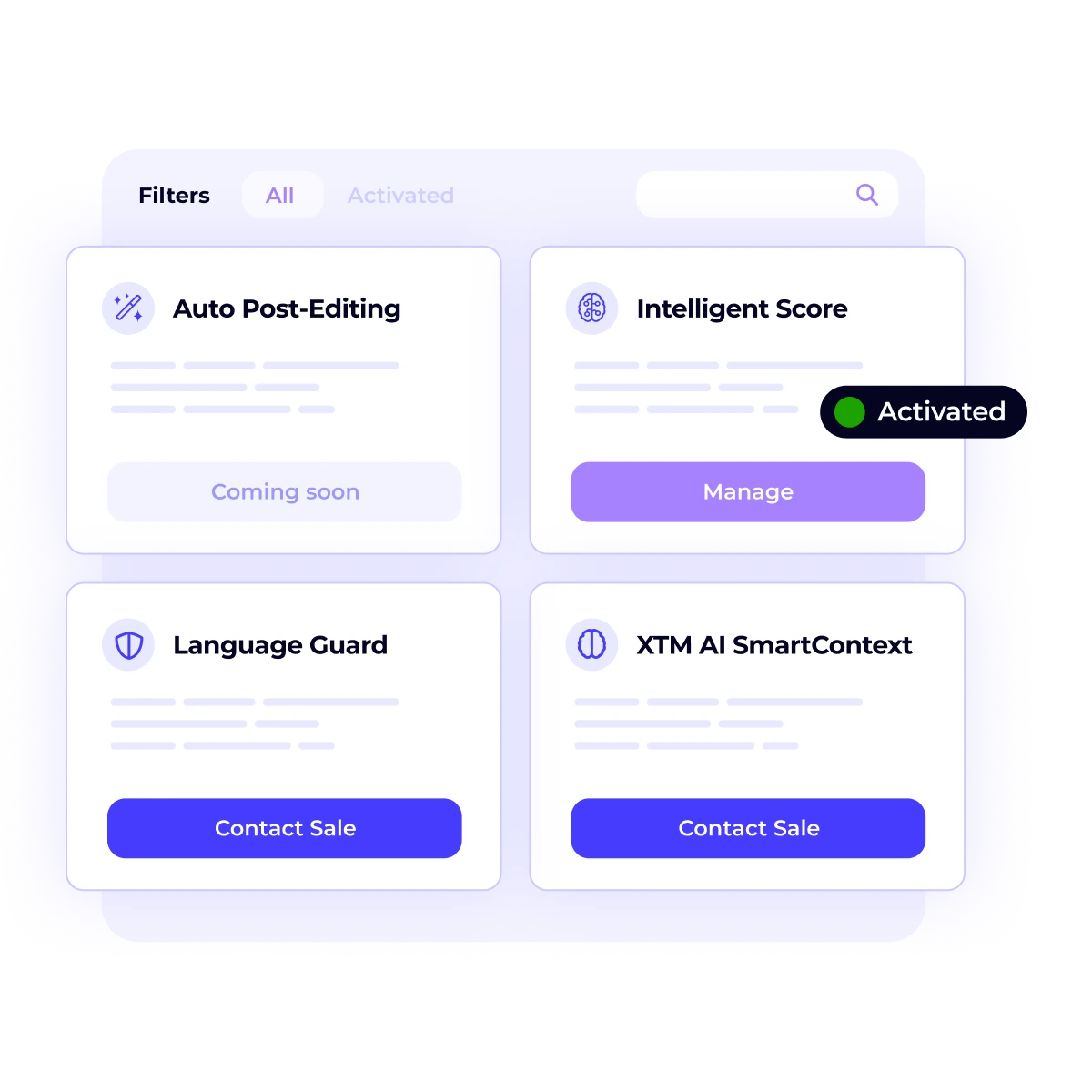
- SmartContext with multiple LLM integration
- Language Guard for compliance and brand protection
- Intelligent Scoring with confidence metrics
- Workflow automation with AI-driven routing
- Bring-your-own AI key support for data sovereignty
Visual context helps translators understand exactly how their work will look to real users. Seeing translations in their final format cuts out errors, improves quality and speeds up review cycles. The best translation management systems provide real-time previews across multiple content types.
Smartling focuses on web content with their in-context editor for browser-based preview. This works well for website strings and simple content types but comprehensive visual support for complex file formats isn’t available. Translators work mostly with text strings without seeing how content appears in marketing materials or technical documentation.
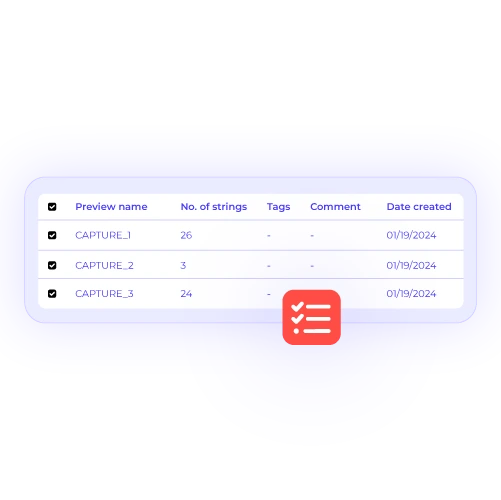
XTM’s visual mode provides real-time previews for 65+ file formats – from mobile apps to complex InDesign documents. Translators see exactly how text appears in websites, PDFs, marketing materials and technical documentation. This visual context eliminates guesswork and dramatically improves translation accuracy.
SmartContext technology enhances these previews by showing not just visual layout but contextual information about each text segment. Translators understand whether they’re working on button labels, error messages or marketing copy – leading to translations that actually make sense.
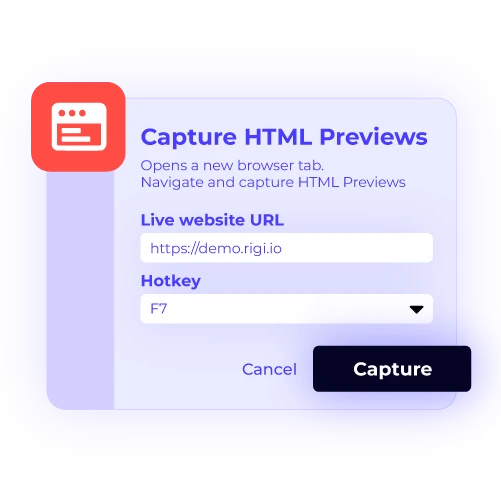
- Real-time previews for websites, mobile apps, and software interfaces
- Complex document support including InDesign, PDF, and XML files
- WYSIWYG editing with immediate visual feedback
- Contextual information for each translatable segment
- Layout preservation across different languages and text expansion
Deployment flexibility determines where and how organisations can run their translation management system. Enterprise teams often need specific hosting arrangements to meet security, compliance, or data sovereignty requirements. The right deployment model ensures localisation workflows align with corporate IT policies without causing headaches.
Smartling operates as Software-as-a-Service exclusively. All customer data and translation projects run on Smartling’s public cloud infrastructure. Simple setup and maintenance, sure, but limited options for organisations with strict data residency requirements or compliance mandates requiring private hosting environments.
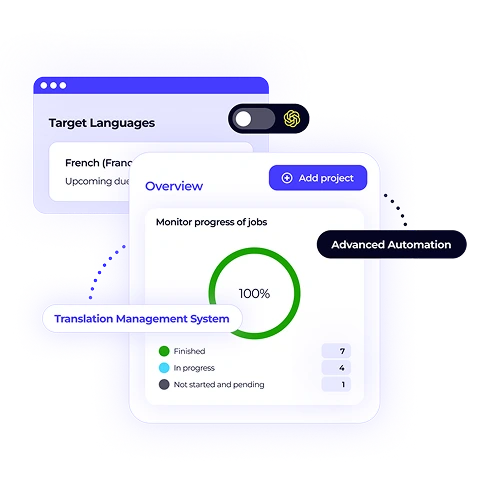
XTM offers multiple deployment options to meet diverse enterprise requirements. Choose public cloud for quick setup, private cloud for enhanced security, or on-premises installation for maximum control. This flexibility ensures compliance with industry regulations whilst maintaining the performance and features teams actually need.
Private cloud deployments give enterprises dedicated infrastructure with customisable security controls. On-premises installations provide complete data sovereignty for highly regulated industries like healthcare and finance. All deployment models include the same feature set – consistent user experience regardless of hosting choice.
- Public cloud for standard enterprise requirements
- Private cloud with dedicated infrastructure and enhanced security
- On-premises installation for maximum data control
- Hybrid configurations combining multiple deployment models
- ISO 27001 certification across all deployment types

Workflow configuration determines how translation projects move through different stages – from initial content creation to final publication. Flexible workflows adapt to unique business processes, whilst rigid systems force organisations to change established procedures. Enterprise teams need workflows that scale with their complexity.
Smartling provides simple workflows designed for web content translation. Works well for straightforward website localisation where content flows directly from marketing teams to translators and back to publication. But these workflows lack flexibility needed for complex enterprise processes involving multiple review stages, approval chains, or regulatory requirements.
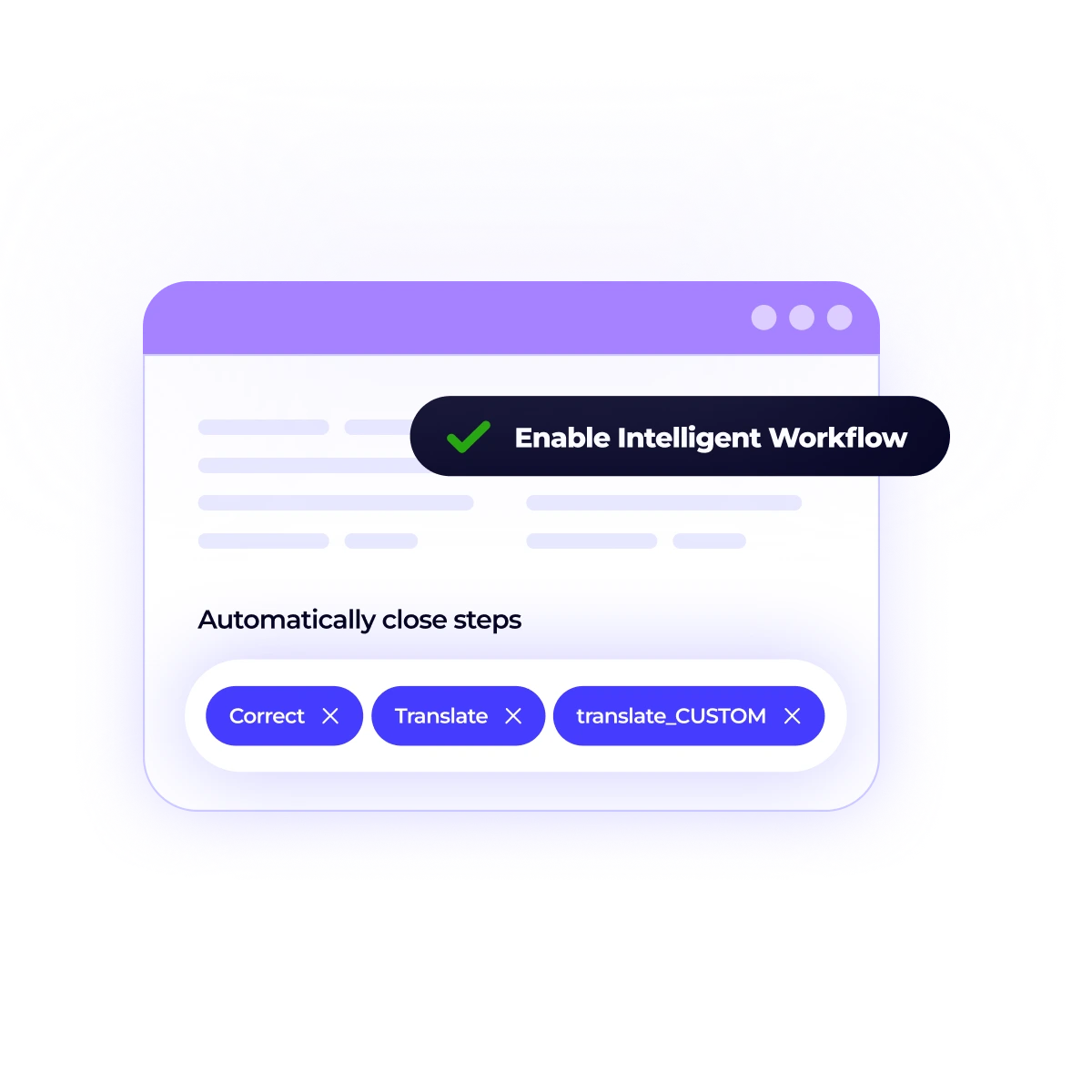
XTM’s workflow editor allows organisations to create sophisticated automation matching their exact business processes. Teams can design custom approval chains, set up automatic task routing based on content type or language, and implement quality gates ensuring translations meet specific standards before publication.
Intelligent workflow capabilities use AI to make routing decisions automatically. High-confidence translations bypass certain review stages, whilst complex content gets additional scrutiny. This automation reduces manual project management whilst maintaining quality controls.
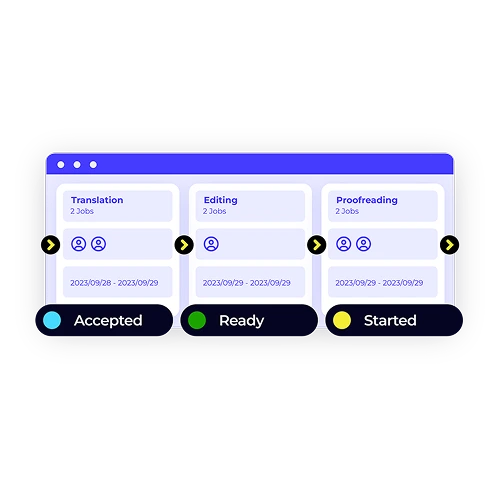
- Drag-and-drop workflow designer for custom processes
- Automated task routing based on content type and quality scores
- Multi-stage approval chains with role-based permissions
- Integration with external systems for seamless content flow
- Real-time workflow monitoring and performance analytics
Financial management helps organisations track localisation costs, manage vendor relationships, and demonstrate return on investment. Enterprise localisation involves multiple stakeholders, complex billing arrangements, and detailed reporting requirements. Integrated financial tools eliminate manual processes and improve project visibility.
Smartling focuses primarily on bundled translation services without built-in financial management features for external vendors. Their model combines TMS with their own translation services, which simplifies vendor management but creates lock-in. Organisations must work within Smartling’s service framework rather than choosing their own translation providers.
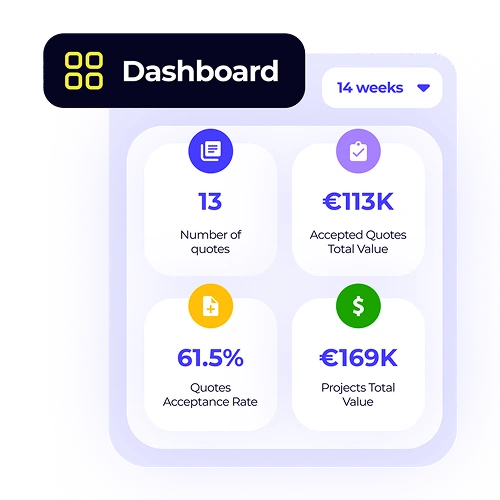
XTM includes comprehensive financial management directly within the translation workflow. The platform automatically generates purchase orders when vendors accept projects, tracks costs in real-time, and provides detailed analytics on localisation spending. Project managers gain complete visibility into budgets, vendor performance, and cost per word across all languages.
Business intelligence dashboards show translation memory leverage, which directly impacts costs by reducing volume of new content requiring translation. Organisations can track savings from reused translations and demonstrate financial value of their localisation investments.
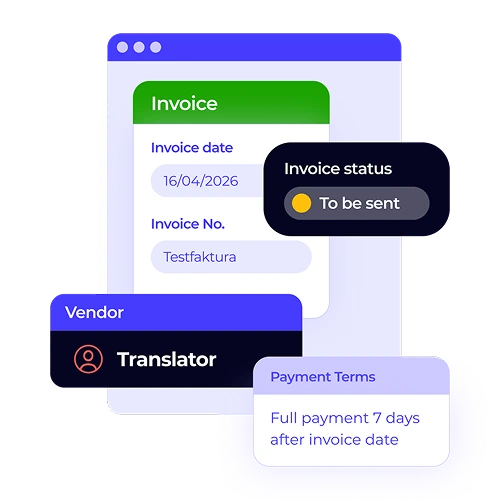
- Automatic purchase order generation and vendor billing
- Real-time cost tracking with detailed budget analytics
- Translation memory leverage reporting showing cost savings
- Vendor performance metrics and payment status tracking
- ROI dashboards demonstrating localisation programme value

Smartling is a cloud-based translation platform used to manage and automate content localisation for websites, apps, and documents.
Smartling is generally well-regarded for its remote-friendly culture, though experiences may vary. If you’re looking to work on cutting-edge AI in localisation, XTM is also a growing team to consider.
The CEO of Smartling is Jack Welde, who also co-founded the company.
Smartling offers a traditional TMS approach with translation management and automation, while LILT focuses on human-in-the-loop adaptive machine translation. XTM, by contrast, blends both approaches with AI agents and deep customisation for enterprises.
Dig deeper into how XTM delivers faster localization, greater control, and real ROI—so you can make the right call for your team.